

Crypto casino Canada platforms are best understood as gambling sites built on a separate payment layer. The games may look familiar, but the money flow is different: deposits move from wallets, withdrawals depend on blockchain networks, and the player carries more responsibility for security, timing, fees and record keeping.
Practical verdict: crypto casinos can suit Canadian players who already understand wallets, stablecoins and transaction risk. They are a poor fit for anyone who wants bank-style reversals, simple dispute handling or automatic protection from address mistakes. Before depositing, check the casino’s licence status, supported networks, withdrawal rules, bonus terms and your own ability to track every crypto movement.
Why Crypto Casino Canada Platforms Work Differently
A traditional online casino usually sits between the player, bank, payment processor and operator. A crypto casino changes that structure. The player sends BTC, USDT, ETH or another supported asset from a wallet to a deposit address generated by the platform. Once the transaction is confirmed on the selected network, the casino credits the balance internally.
That sounds faster, and often it is. The trade-off is finality. A wrong network, wrong address or unsupported token does not behave like a failed card payment. Blockchain transfers are generally irreversible once confirmed, so the technical step before the game matters as much as the game itself.
For Canadian players, the legal and payment context adds another layer. Online gambling is regulated mainly through provincial systems, and Ontario has a regulated iGaming market where operators must be registered with the AGCO and, except OLG.ca, have an operating agreement with iGaming Ontario. Many crypto-first casinos used by Canadians operate offshore, which may increase access and payment flexibility but usually reduces local consumer protection.
Deposits: Networks, Assets and Address Accuracy
The biggest mistake in crypto casino payments is treating all crypto deposits as the same. They are not. The asset and the network must match exactly. USDT on TRC20 is not the same operational route as USDT on ERC20, even though the balance unit looks similar to a player.

TRC20 USDT is common because it offers fast settlement and low transaction cost. BTC is slower but widely accepted and trusted for larger transfers. ETH and ERC20 tokens can be useful where Ethereum compatibility matters, but gas fees can make small casino deposits inefficient during busy periods.
A safe deposit process usually follows this order:
- Choose the casino balance asset before opening the wallet.
- Select the exact network shown by the casino.
- Copy the deposit address without manual editing.
- Send a small test amount when using a new platform.
- Wait for the required confirmations before starting play.
The test transfer may feel slow, but it protects the bankroll from a costly mismatch. A player sending USDT on the wrong chain can lose funds before the first spin, hand or bet is placed.
Withdrawals: Speed Is Not Only a Blockchain Issue
Crypto withdrawals are often marketed as instant, but the real timeline has two parts. First, the casino must approve the withdrawal internally. Second, the blockchain must confirm the transaction. A fast network cannot remove manual review if the platform checks KYC status, bonus conditions, fraud signals or withdrawal size before releasing funds.
TRC20 and other low-fee networks may complete quickly after approval. BTC can take longer when network congestion rises. ETH can become expensive when gas demand spikes. The practical player looks beyond “instant payout” language and checks the actual withdrawal policy: minimum amount, maximum daily limit, approval queue, verification triggers and whether bonus play affects cashout.
The most useful question is not “how fast is crypto?” but “what can delay this specific withdrawal?” Large wins, first withdrawals, mismatched profile data and unfinished wagering requirements can all slow a payment that would otherwise move quickly on-chain.
Wallet Strategy: Custodial, Non-Custodial and Reserve Funds
Wallet choice defines who controls the funds before and after a casino session. A custodial wallet, usually inside an exchange, is easier for beginners because the platform manages access and recovery. A non-custodial wallet gives the user control over private keys, which improves autonomy but removes most recovery options.
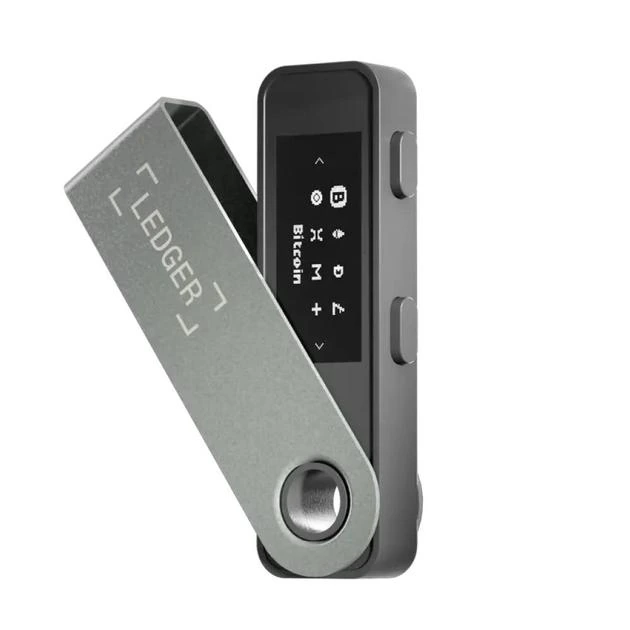
For casino use, many players separate their funds into three layers. The first is an exchange or fiat on-ramp for buying crypto. The second is a software wallet used for active deposits and withdrawals. The third is a cold or hardware wallet for funds that should not be exposed to casino accounts, browser extensions or daily transaction risk.
This separation matters because gambling sessions are emotional. A player who keeps the entire crypto balance in a hot wallet may increase deposit size after losses simply because funds are available. A reserve wallet creates friction, and friction can be useful when the game pace becomes too fast.
Stablecoins and the TRC20 Advantage
Stablecoins are often more practical than volatile assets for casino bankrolls. USDT on TRC20 is popular because it keeps value close to the US dollar while avoiding many small-fee problems associated with BTC or ETH transfers. The player can measure losses and wins against a stable unit instead of wondering whether the coin price changed during the session.
BTC can still make sense for larger transfers or users who prefer holding Bitcoin. The issue is accounting. If BTC rises or falls while funds move through the casino, the final result may combine gambling performance with market movement. That can make a winning session feel smaller or a losing session worse.
Bonuses: Bigger Numbers Can Hide Worse Conditions
Crypto casino bonuses often look generous because they are expressed as percentages, coin amounts or large match limits. The real value depends on conditions. A 100% bonus with restrictive wagering may be less useful than a smaller cashback offer with no wagering requirement.

The core terms to check are wagering multiple, eligible games, maximum bet while wagering, expiry period and withdrawal cap. Slots may contribute fully while table games contribute less or nothing. Some bonuses cap the withdrawable amount even after successful wagering. That can turn a headline offer into a limited-risk promotion for the casino rather than genuine value for the player.
A reasonable bonus check looks at three questions:
- Can the wagering requirement be cleared with the games you actually play?
- Does the maximum bet rule fit your normal stake size?
- Is the potential withdrawal worth the time and risk?
If any answer is unclear, the bonus should be treated as entertainment value, not extra bankroll.
Game Mechanics: RTP, Volatility and Provably Fair Play
The game catalogue on crypto casinos overlaps with traditional online casinos: slots, blackjack, roulette, baccarat and live dealer games. The difference is that many crypto platforms also feature crash games, dice games and provably fair formats that grew inside crypto gambling culture.
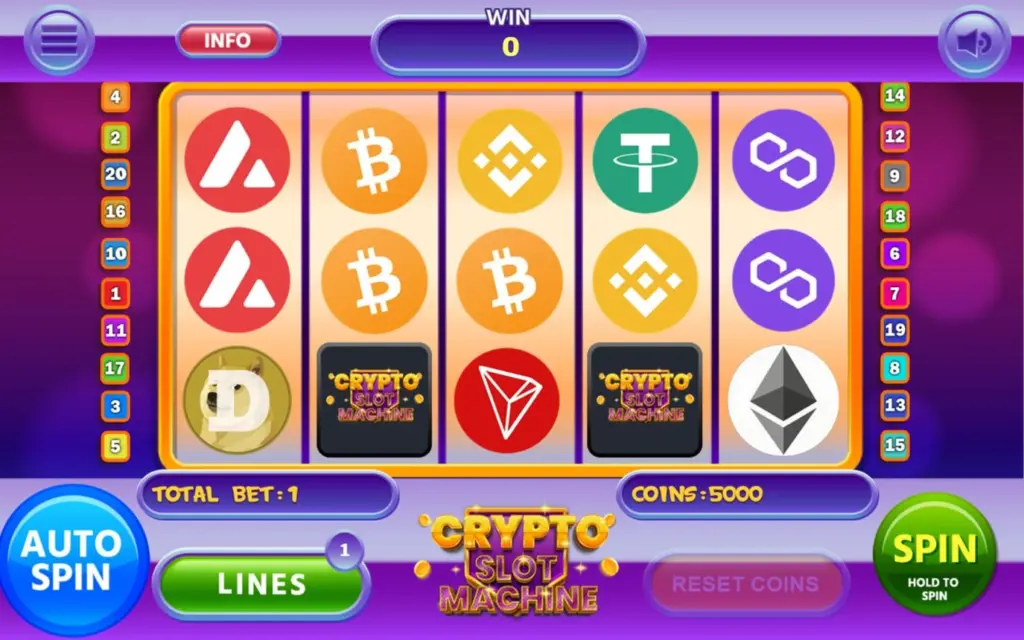
RTP is useful, but it does not predict short-term results. A slot with 96% RTP can still drain a session quickly if volatility is high. Crash games may show attractive theoretical return, yet the player must decide when to cash out before the multiplier collapses. The speed of these games can create dozens of decisions in a few minutes, which increases the chance of emotional betting.
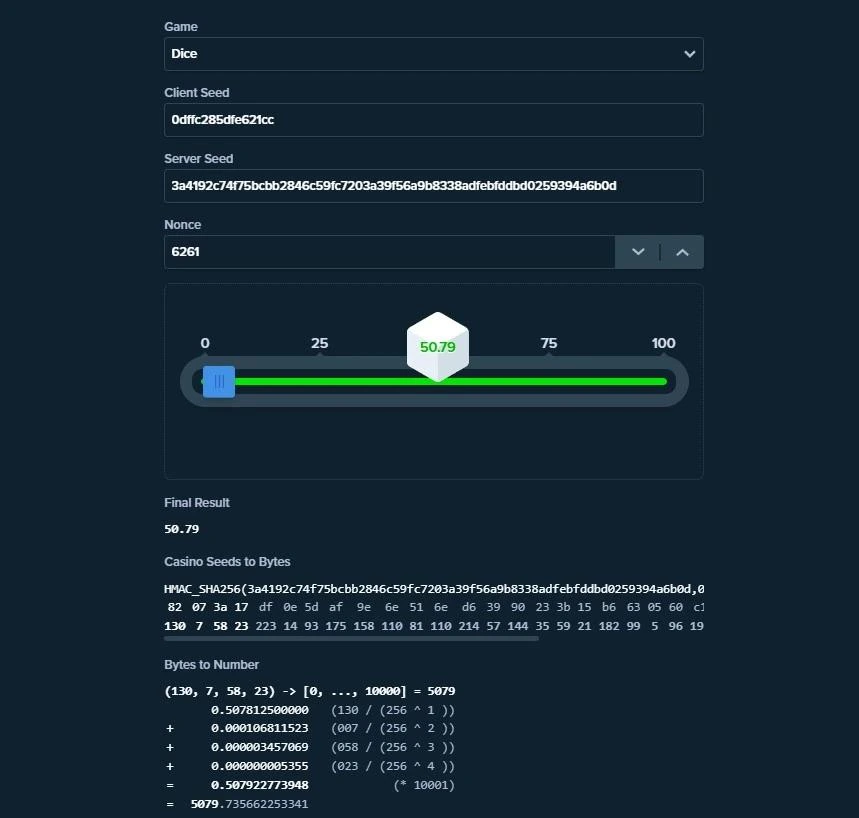
Provably fair systems change the trust model. Instead of relying only on a closed RNG certification, the game uses inputs such as server seed, client seed and nonce to let the player verify that a result matches the pre-committed calculation. This does not make the game profitable by itself. It only helps confirm that the result was generated according to the stated mechanism.
Lower-Variance Games Still Need Discipline
Blackjack, baccarat and European roulette usually have more predictable house-edge profiles than volatile slots or crash games. That does not make them safe. Blackjack requires correct strategy. Baccarat banker bets have a low house edge but still move through streaks. Roulette is simple, but repeated even-money bets can still produce long losing runs.
The practical difference is pacing. Table games often allow more controlled session structure, while crash and high-volatility slots can compress risk into a short window. Players who want longer sessions with clearer limits usually do better by choosing lower-variance formats and fixed bet sizing.
Security: The Casino Account Is Only One Risk Point
Crypto casino security starts before login. The wallet, device, email, password manager and network connection all affect the safety of funds. A strong casino account is not enough if the wallet seed phrase sits in cloud storage or the player signs transactions through a compromised browser.

Basic protection should include authenticator-based 2FA, unique passwords, withdrawal confirmation emails and a separate wallet for casino activity. Public Wi-Fi should be avoided for deposits and withdrawals. Seed phrases should be stored offline, never in screenshots, chats or online notes.
The harsh part is recovery. If a bank card is abused, the user may have a dispute path. If a private key is exposed or a withdrawal goes to the wrong address, recovery is unlikely. Crypto adds speed and autonomy, but it also removes many familiar safety nets.
Legal and Tax Context for Canadian Players
Canada’s gambling structure is not one uniform national online casino system. Provinces play a central role, and regulated options differ by location. Ontario’s market is the clearest example of a licensed private-operator model, while many offshore crypto casinos sit outside provincial consumer-protection frameworks.

Tax treatment also needs care. The CRA treats crypto-assets as property-like assets for tax purposes, and disposing of crypto can create reporting obligations depending on whether the activity is on capital account or income account. The CRA guidance states that when a crypto-asset is disposed of on account of capital, taxable capital gains must be included in income for the year.
For gambling, the situation depends on facts. Casual gambling winnings in Canada are commonly treated differently from systematic income-generating activity, but crypto conversion can still create a separate asset-disposition record. A careful player records deposit time, withdrawal time, asset type, fiat value at transfer, fees, wallet address and conversion rate.
Bankroll Management for Crypto Casino Canada Players
Crypto gambling creates a dual-risk model. The first risk is normal casino variance: house edge, volatility, game speed and bet sizing. The second is asset risk: the value of BTC, ETH or another coin can change while funds sit in a wallet or casino balance.
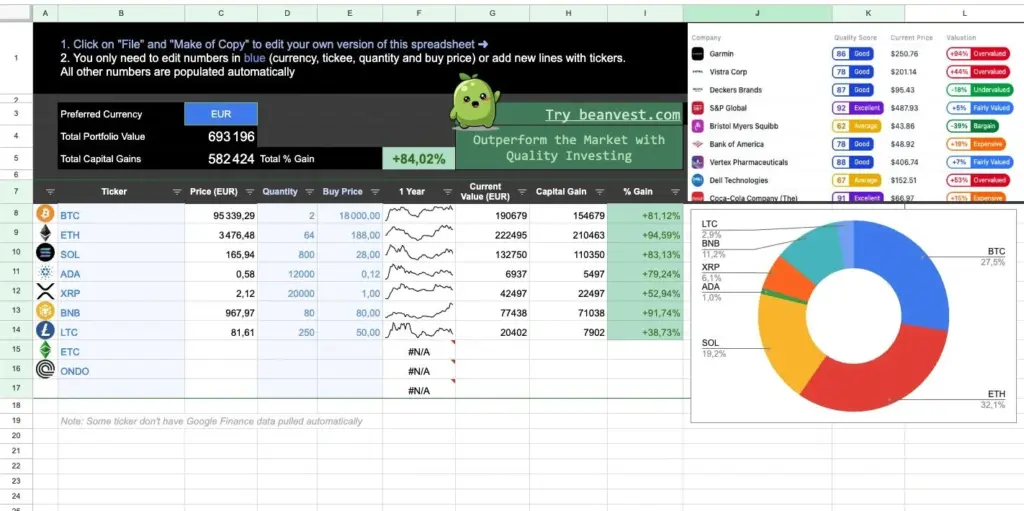
Stablecoins reduce that second risk. They allow the player to evaluate the session in a stable unit and avoid confusing market movement with gambling performance. Someone using BTC directly may need to track both coin amount and Canadian-dollar equivalent to understand the real result.
A sensible session structure is simple. Decide the total bankroll before depositing. Use only a small session portion. Set a loss limit that ends play automatically. Set a profit target that triggers withdrawal or at least balance separation. The point is not to predict outcomes. The point is to prevent one fast session from consuming funds meant for several sessions.
How to Evaluate a Crypto Casino Before Depositing
The best crypto casino is not the one with the loudest bonus. It is the one where payment routes, game rules, withdrawal limits and risk controls are clear before money moves. A player should be able to understand what happens from wallet deposit to final withdrawal without guessing.
The strongest evaluation criteria are practical:
- licence jurisdiction and whether the claim can be checked;
- supported assets and networks, especially TRC20, BTC and ETH;
- minimum and maximum withdrawal limits;
- withdrawal approval time before blockchain confirmation;
- game providers and provably fair tools;
- bonus rules, including wagering and withdrawal caps;
- account security options and responsible gambling tools.

Red flags are usually visible early. Vague licensing claims, unclear withdrawal rules, missing terms for bonuses, no visible support process and repeated user complaints about delayed cashouts all matter more than a large welcome offer. A casino that makes deposits easy but withdrawals unclear should be treated as high risk.
Using Crypto Casinos Without Losing Control
Crypto casino Canada platforms reward technical accuracy more than casual clicking. The player who understands networks, stablecoins, wallet separation, bonus terms and withdrawal rules has a much better chance of avoiding preventable losses. The player who skips those checks may lose money through fees, wrong transfers, locked bonuses or poor session control before game variance is even the main problem.
The safest approach is to treat the whole process as one system. Wallet setup, deposit network, game choice, bankroll size, withdrawal plan and tax records all belong together. Crypto can make casino payments faster and more flexible, but it does not make gambling lower risk. It simply gives the player more control – and more responsibility for every mistake.