

The phrase crypto to the moon moneysideoflife reflects more than hype. It represents a shift in how users interact with digital money, control assets, and participate in decentralized systems. Behind the emotional drive for growth sits a technical structure built on wallets, networks, and transaction logic.
Understanding this phrase requires moving past slogans. The real question is how crypto ambition translates into practical control over funds, especially in wallets, gaming environments, and high-risk systems like crypto gambling. The answer depends on infrastructure, not belief.
The Real Meaning Behind Crypto to the Moon Moneysideoflife
The idea of crypto to the moon moneysideoflife is often linked to rapid gains. In practice, it reflects a broader transition from passive finance to active asset control. Users are no longer just investors. They operate wallets, manage keys, and execute transactions directly.
This shift introduces responsibility. Ownership in crypto is defined by private keys. Without control of keys, assets are not truly owned. This changes how ambition works. It moves from speculation to operational competence.
The phrase moneysideoflife adds another layer. It focuses on the practical side of money. Not theory, but execution. Users must understand transaction speed, fees, and network limitations before they can benefit from any price movement.
Crypto Wallets as the Core Control Layer

Every crypto action starts with a wallet. Whether it is a Bitcoin wallet or a TRC20-compatible system, the wallet defines how funds are stored, transferred, and secured.
Wallets operate in two main formats. Custodial wallets are managed by platforms. Non-custodial wallets give full control to the user. The difference directly affects risk. If a platform controls keys, access can be restricted. If the user controls keys, responsibility increases.
TRC20 wallets, for example, are optimized for fast and low-cost transactions. This makes them widely used in gaming and gambling environments where transaction frequency is high and delays are not acceptable.
Key Wallet Parameters
Wallet performance depends on measurable factors:
- Transaction speed defined by network confirmation time
- Fees determined by blockchain load
- Compatibility with tokens and networks
- Security model based on key storage
These parameters shape user behavior. A wallet that is slow or expensive limits practical usage. A wallet with poor security exposes funds to loss.
How Crypto Payments Work in Practice
Crypto payments are often presented as simple transfers. In reality, they involve several steps that affect outcome and reliability.

A transaction includes address validation, fee calculation, and network confirmation. Each step introduces variables. For example, a low fee can delay confirmation. An incorrect network selection can result in permanent loss.
In gaming and gambling systems, these mechanics become critical. Users deposit funds, execute multiple transactions, and withdraw winnings. Delays or errors directly impact user experience and financial results.
The crypto to moon moneysideoflife concept only works if these systems operate efficiently. Without functional payment infrastructure, ambition cannot translate into usable profit.
Crypto in Gaming and Gambling Systems
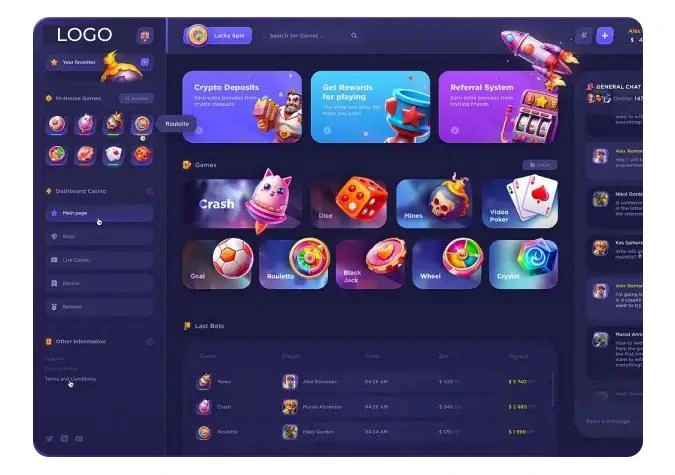
Crypto has become integrated into gaming platforms due to speed and accessibility. TRC20 and similar networks are widely used because they reduce friction in deposits and withdrawals.
In gambling environments, the role of crypto changes. It becomes both a payment tool and a risk amplifier. Fast transactions enable rapid betting cycles. This increases volatility in user balances.
Bitcoin is often used for larger transactions due to its network stability. TRC20 is preferred for frequent smaller transfers. The choice of network directly affects strategy.
Operational Differences
| Environment | Preferred Network | Reason | Limitation |
| Gaming | TRC20 | Fast, low fees | Network dependency |
| Gambling | TRC20 / BTC | Speed or stability | Volatility risk |
| Long-term holding | BTC / ETH | Security and trust | Slower transactions |
| Daily payments | TRC20 / BNB | Efficiency | Ecosystem limitations |
These differences define how users interact with crypto systems. There is no universal solution. Each use case requires a different approach.
The Mechanics of Staking and Yield
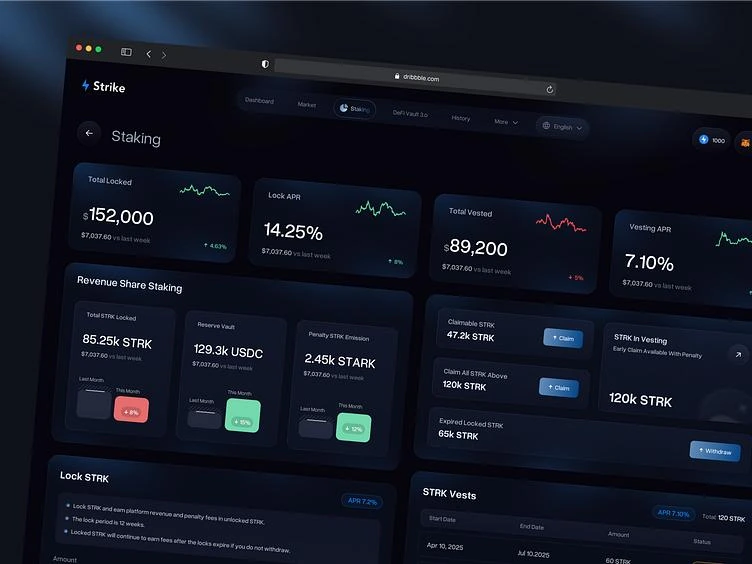
Staking is often presented as passive income. In practice, it involves locking assets under specific conditions. Returns depend on duration, network rules, and market stability.
When users stake tokens, they reduce circulating supply. This can support price stability. However, locked funds are not accessible. This creates a trade-off between liquidity and yield.
Farming introduces additional complexity. Users provide liquidity to trading pairs. This supports market function but exposes them to impermanent loss. The crypto to the moon moneysideoflife idea often ignores these risks.
Understanding staking requires analyzing reward rates, lock periods, and withdrawal conditions. Without this, users may overestimate returns and underestimate constraints.
Risk and Control in Crypto Systems

Crypto removes intermediaries. This increases freedom but also risk. There is no recovery mechanism for lost keys or incorrect transactions.
Users must manage:
- Private key security
- Network selection
- Transaction verification
- Platform reliability
Mistakes have direct financial consequences. Unlike traditional systems, there is no central authority to reverse errors.
The moneysideoflife concept becomes practical only when users understand these constraints. Ambition without control leads to loss, not growth.
Market Behavior and the Illusion of Constant Growth

The phrase crypto to moon moneysideoflife suggests continuous upward movement. Market behavior does not support this assumption.
Crypto markets are cyclical. Prices move based on liquidity, sentiment, and external factors. Rapid growth phases are followed by corrections.
User behavior often amplifies these cycles. During growth, participation increases. During decline, liquidity drops. This creates unstable conditions.
Understanding this pattern is essential. It defines entry and exit timing, risk exposure, and capital allocation.
The Future of Crypto Usage in Real Systems
Crypto is moving toward integration into real systems. Payments in games, subscriptions, and digital services are expanding. The focus is shifting from price speculation to utility.
Wallet technology is improving. Networks are optimizing for speed and cost. This makes everyday usage more practical.
At the same time, regulation and infrastructure will influence adoption. Systems that combine usability with security will dominate. Those that rely only on hype will fade.
The crypto to moon moneysideoflife narrative will remain, but its meaning will change. It will be less about sudden gains and more about controlled participation in a functioning digital economy.
Transaction Strategy and Capital Flow Control

The ability to move funds efficiently defines real performance in crypto systems. Users who operate within the crypto to the moon moneysideoflife mindset often focus on entry points but ignore flow control between wallets, exchanges, and platforms.
A transaction strategy starts with segmentation of funds. Active capital is separated from storage capital. Active capital is used for payments, gaming, and trading. Storage capital remains in cold wallets or long-term holdings. This separation reduces exposure during operational activity.
Network selection is part of the strategy. TRC20 is used when speed and low fees are required. Bitcoin is used when transaction integrity and larger value transfers are critical. Switching between networks without understanding compatibility can result in loss, especially when assets are sent to unsupported addresses.
Timing also affects outcome. Sending transactions during network congestion increases fees and delays confirmation. In fast environments such as crypto gambling, even small delays can change results. This is where technical awareness becomes more valuable than market prediction.
Wallet Security and Failure Scenarios

Security is not a feature. It is a process that defines whether funds survive long enough to benefit from any market movement. In the crypto to moon moneysideoflife context, most losses are not caused by price drops. They are caused by operational errors.
Private keys and seed phrases are the primary access layer. If compromised, control is lost instantly. There is no reversal. This creates a strict requirement for offline storage and isolation from daily devices.
Common failure scenarios include phishing interfaces, fake wallet applications, and incorrect network usage. A user may connect a wallet to a malicious platform or approve a transaction that grants access to funds. These actions happen within seconds but have permanent consequences.
Hardware wallets reduce exposure by isolating keys from online systems. However, they introduce usability limits. Transactions require physical confirmation, which slows down operations in fast environments such as gaming or trading.
Security, therefore, becomes a balance between speed and protection. Each user must define acceptable risk levels depending on usage.
Crypto Behavior in High-Frequency Environments
Gaming and gambling platforms create a different type of crypto behavior. Transactions are frequent, values fluctuate rapidly, and decisions are made under time pressure.
In these systems, liquidity speed matters more than long-term storage. TRC20 networks dominate because they process transfers quickly and at minimal cost. This allows users to deposit, play, and withdraw without significant delay.
However, high-frequency usage introduces volatility exposure. A user may complete multiple transactions within minutes, each affected by price fluctuations. This creates indirect gains or losses unrelated to gameplay itself.
Bitcoin behaves differently in these environments. It is slower but more stable at the network level. It is often used when users want to secure larger balances before or after high-frequency activity.
The crypto to the moon moneysideoflife idea shifts here. It is no longer about holding assets for growth. It becomes about managing flow under pressure.
Psychological Pressure and Decision Mechanics
Ambition in crypto is often driven by expectation of rapid growth. In practice, decision-making is influenced by pressure, timing, and incomplete information.
Users tend to increase risk after short-term gains. This behavior is visible in both trading and gambling systems. Rapid profits create confidence, which leads to larger transactions and reduced control.
Losses trigger a different pattern. Users attempt to recover quickly, increasing transaction frequency and reducing verification steps. This leads to operational errors such as incorrect addresses or wrong network selection.
The moneysideoflife component becomes visible in these moments. It defines whether a user follows structured rules or reacts emotionally. Systems do not fail. Users deviate from them.
Managing this requires predefined limits. Transaction caps, session boundaries, and withdrawal triggers reduce exposure. Without these controls, ambition converts into instability.
Infrastructure Evolution and Real Adoption
Crypto systems are evolving toward usability. Wallet interfaces are becoming simpler, and network integrations are improving. This reduces the technical barrier for new users.
At the same time, complexity remains under the surface. Multi-chain environments require users to understand which network supports which asset. Incorrect bridging or transfers can still result in permanent loss.
Payment integration is expanding. More platforms accept crypto for subscriptions, services, and digital goods. This increases practical usage but also introduces dependency on platform reliability.
The future direction is shaped by infrastructure reliability. Systems that maintain low fees, high speed, and secure transactions will define adoption. Those that fail to balance these factors will lose users regardless of token value.
The crypto to moon moneysideoflife concept adapts here. It becomes less about market cycles and more about system efficiency.
Control Versus Access in Decentralized Systems
Decentralization gives users full control over assets. It also removes safety mechanisms present in traditional systems. This creates a trade-off between freedom and responsibility.
Access to funds depends entirely on key management. There is no account recovery in the traditional sense. Losing access credentials results in permanent loss of funds.
At the same time, decentralization removes restrictions. Users can move funds globally without intermediaries. Transactions are executed based on network rules, not institutional approval.
This dual structure defines crypto usage. Control provides opportunity, but it also enforces discipline. The moneysideoflife framework operates within this balance.
Users who understand both sides can operate efficiently. Those who focus only on opportunity often overlook the structural constraints.
Long-Term Positioning of Crypto Systems
Crypto is transitioning from speculative environments to functional systems. The role of wallets, networks, and payment mechanisms is becoming more important than token price movements.
Projects that integrate real usage, such as payments in gaming or subscription services, create stable demand. This demand is measurable through transaction volume, not sentiment.
Market cycles will continue, but their influence will decrease as utility increases. Systems that solve real problems will maintain activity even during downturns.
The crypto to the moon moneysideoflife phrase will remain part of the culture. Its meaning, however, will align more with controlled growth than uncontrolled speculation.
Users who adapt to this shift will treat crypto as infrastructure. They will focus on execution, not expectation.