

The best Bitcoin casinos in 2026 are not defined by the biggest welcome banner or the loudest promise of instant withdrawals. The stronger way to compare them is to look at payment behavior, supported coins, withdrawal rules, bonus math, verification triggers, game fairness and the legal risk attached to offshore gambling.
Practical verdict: Bitcoin casinos can work for players who understand wallets, blockchain confirmations and bonus restrictions. They are a poor fit for anyone expecting bank-style chargebacks, guaranteed anonymity or simple consumer protection. Before choosing a platform, check how payouts are approved, when KYC can still be requested, whether bonuses cap withdrawals, and whether your local gambling rules allow this type of play.

What “Best Bitcoin Casino” Should Mean in 2026
A top Bitcoin casino should solve three practical problems: moving money quickly, explaining terms clearly and paying out without unnecessary friction. Branding matters far less than operational reliability. A site can look modern, offer hundreds of games and advertise huge bonuses, yet still be weak if withdrawals are slow or bonus rules are unclear.
The better comparison starts with function. Does the casino support BTC only, or does it also support USDT, USDC, Litecoin, Solana or Bitcoin Lightning? Does it process withdrawals automatically, or does every payout sit in manual review? Does “no KYC” mean no verification at signup, or does it mean verification is never requested? In most cases, it means the first one.
No KYC gambling guides updated in May 2026 commonly describe the model as registration without ID at the start, while still noting that verification may be requested later, especially around withdrawals or risk checks. That distinction matters because privacy-focused onboarding does not remove platform controls.
Fast Payouts: Instant Withdrawal Is Usually Two Processes
The phrase “instant withdrawal Bitcoin casino” can be misleading. A withdrawal has two stages. First, the casino approves the payout internally. Then the blockchain network confirms the transaction. A platform may send a transaction quickly, but the final arrival still depends on the coin, network load and wallet confirmation rules.
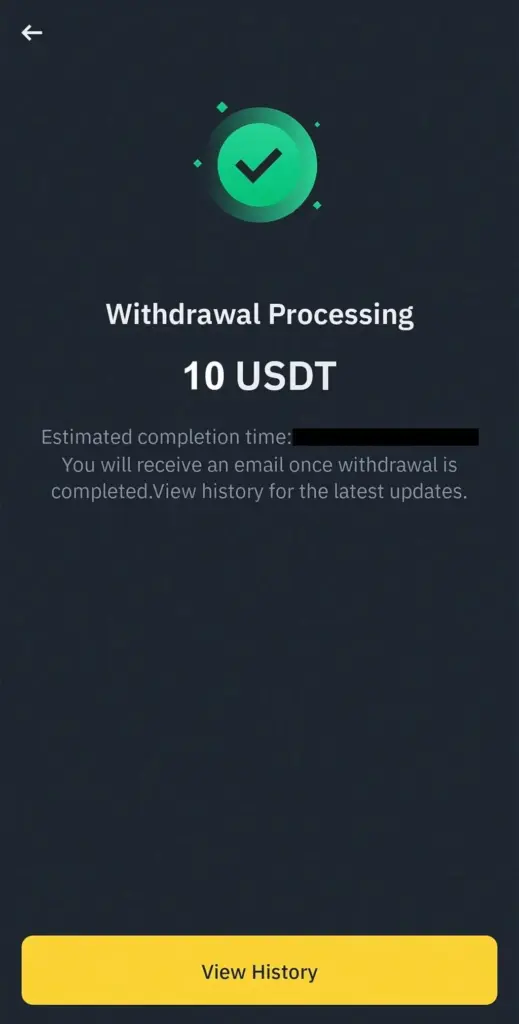
Bitcoin is widely accepted, but it is not always the fastest option. BTC transactions may take longer than Litecoin, TRC20 USDT, XRP, Solana or Lightning-based transfers, especially when network demand rises. This is why many experienced crypto players keep Bitcoin for broad compatibility but use faster coins for frequent casino movement.
The real test is not whether a casino says “instant.” It is whether the platform clearly explains:
- minimum withdrawal limits;
- maximum automated payout amounts;
- average approval time before blockchain broadcast;
- number of required confirmations;
- reasons a withdrawal can move to manual review.
A casino that publishes these rules is easier to evaluate than one that hides behind vague payout language. In fast-withdrawal comparisons from 2026, even mainstream casino guides stress that speed depends on payment method, account status and completed checks, not only on the casino’s advertising claim.
No KYC Bitcoin Casinos: Privacy With Conditions
No KYC casinos attract players because they reduce friction. A user may register with an email, connect a wallet, deposit crypto and start playing without uploading an ID document. For players who value privacy, that feels very different from traditional online casinos where verification may happen before meaningful account activity.

The limitation is that “no KYC” is rarely absolute. Casinos may still request verification when activity crosses internal risk thresholds. Common triggers include unusually large withdrawals, linked accounts, bonus abuse patterns, suspicious wallet behavior, rapid deposit-withdraw cycles or jurisdiction concerns.
This creates a trade-off. No KYC platforms can be faster and more private, but they usually offer weaker local protection than regulated domestic gambling sites. If a withdrawal dispute appears, the player may have fewer formal complaint routes, especially with offshore operators.
A practical privacy check should ask one question: what happens when you win? A casino that allows easy deposits but reserves broad verification rights at withdrawal can still create friction when money needs to leave the platform. The terms should be read before the first deposit, not after a blocked payout.
Bonuses: The Largest Offer Is Often Not the Best Offer
Crypto casino bonuses can look stronger than fiat offers because they are presented as large percentages, coin amounts or high match limits. A 200% bonus sounds better than a 50% bonus until wagering requirements, max bet rules and withdrawal caps are included.
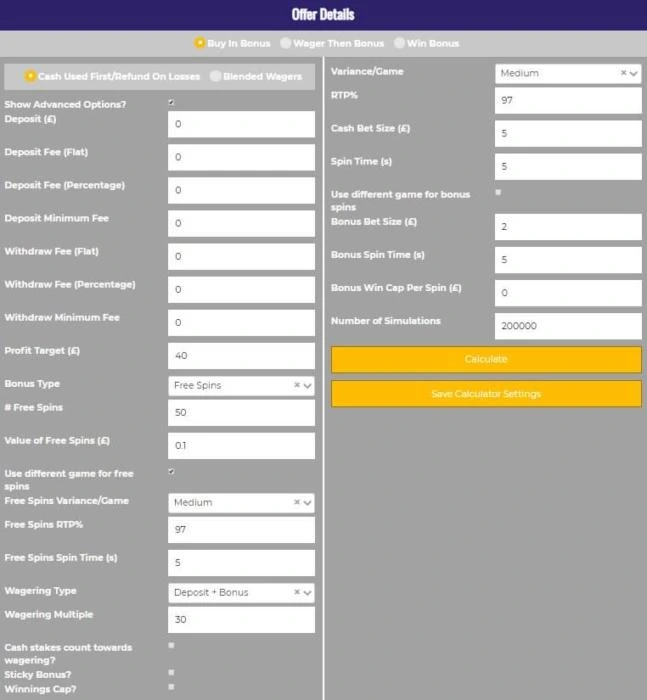
The real value of a bonus depends on how much betting volume is needed before cashout. If a player receives a $500 bonus with 40x wagering, the required betting volume is $20,000 before the bonus-linked balance can become withdrawable. If the allowed games are mostly high-volatility slots, the chance of clearing the bonus becomes very different from the headline number.
A smaller cashback or rakeback system may be more useful than a huge welcome bonus. Cashback reduces the damage from losing sessions. Rakeback returns a portion of total wagering. VIP rewards can improve limits or payout priority. These benefits are less dramatic in marketing, but often more practical for repeated play.
The best Bitcoin casino bonus is the one that matches the player’s game style. Slot players may accept higher wagering if RTP and volatility are reasonable. Table game players should check whether blackjack, roulette or baccarat contribute at full value. Many promotions reduce or exclude table-game contribution, which makes the offer less useful for disciplined players.
Bitcoin, Stablecoins and Faster Casino Coins
Bitcoin remains the main reference point for crypto gambling because it is trusted, liquid and broadly supported. It is the safest default from a compatibility standpoint, but not always the best payment tool for every session. Fees, confirmation time and price movement can make BTC less efficient for small or frequent deposits.

Stablecoins solve a different problem: bankroll stability. USDT and USDC allow the player to measure results in a near-dollar unit rather than in a volatile coin. This is useful when sessions extend across several days or when a player wants to separate gambling performance from market movement.
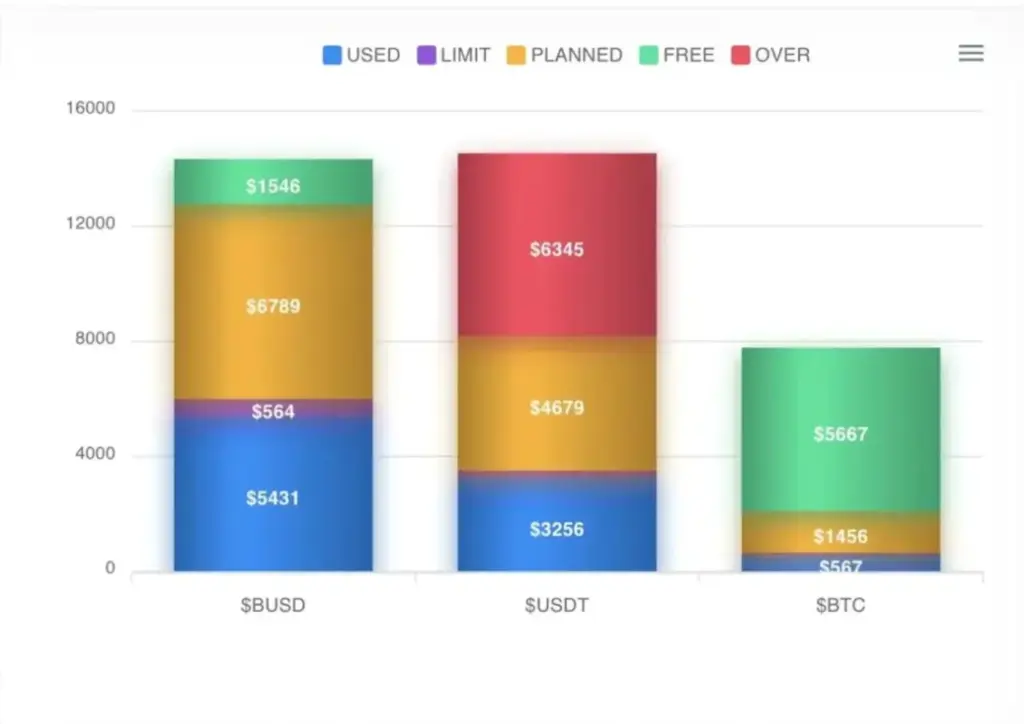
USDT on TRC20 is often used for low-fee, fast transfers. USDC is commonly preferred by players who value cleaner accounting and stronger reserve transparency. Litecoin can be useful for quick, low-cost movement. Bitcoin Lightning, where supported, can make BTC transfers faster, but availability varies by platform.
| Payment option | Best use case | Main advantage | Main limitation |
| BTC | Broad casino compatibility | Strong acceptance and liquidity | Slower and fee-sensitive |
| USDT | Frequent deposits and withdrawals | Fast, low-cost routes on TRC20 | Network mismatch risk |
| USDC | Stable bankroll accounting | Lower volatility | Not always as widely supported |
| Litecoin | Small fast transfers | Low fees and quick movement | Less universal than BTC |
| Lightning | Fast BTC payments | Near-instant transfer design | Limited casino support |
The main payment mistake is choosing a coin only because the casino supports it. The better choice depends on session size, withdrawal frequency, fee tolerance and how accurately the player wants to track bankroll value.
Games: RTP, Volatility and Provably Fair Mechanics
The game lobby at a Bitcoin casino usually combines traditional casino content with crypto-native formats. Slots, blackjack, roulette, baccarat and live dealer games still dominate many platforms. Alongside them, crypto casinos often promote crash, dice, mines and other fast-cycle games.
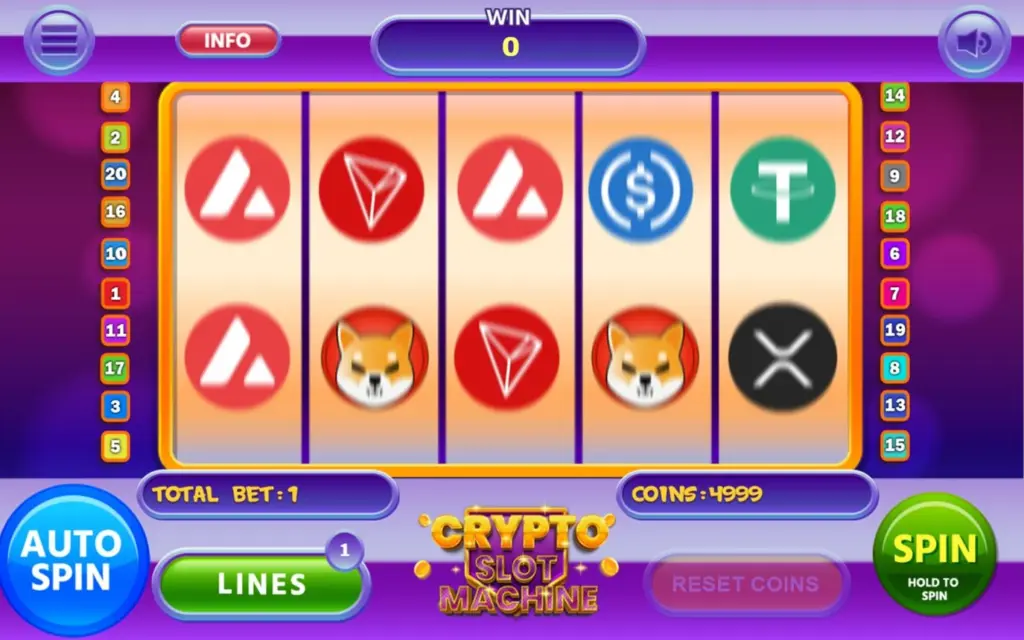
Slots are easy to enter but vary heavily by volatility. A slot with a stated RTP around 96% can still behave aggressively in a short session if the payout model is high variance. The player may wait a long time for a bonus round, then receive a weak feature result. RTP is useful for long-term comparison, but it does not protect a single session.
Table games offer clearer house-edge logic. Blackjack can be comparatively efficient when played with correct strategy. European roulette has a stable mathematical edge. Baccarat banker bets are simple and lower edge than many alternatives. These games do not remove risk, but they make bankroll planning more predictable.
Provably fair games add a crypto-specific trust mechanism. They use cryptographic seeds and round data to let players verify that a result matches the pre-committed calculation. This does not make the game profitable. It only changes the fairness model from “trust the operator” to “verify the outcome logic.”
Safety Checks Before Depositing
A Bitcoin casino can fail the safety test before a player ever reaches the cashier. Weak terms, unclear ownership, vague licensing, poor support and missing withdrawal details are more important than a large game library. Offshore licences vary widely in quality, and some jurisdictions offer limited practical protection when disputes occur.

Recent reporting around Anjouan-linked online casino licensing raised concerns about weak consumer protection and opaque regulatory structures in parts of the offshore casino ecosystem. That does not mean every offshore casino is identical, but it does mean a licence badge alone should not be treated as full safety proof.
Before depositing, a player should check the casino in a practical sequence:
- Read withdrawal rules before reading bonus offers.
- Check whether KYC can be requested later.
- Review licence jurisdiction and operating history.
- Confirm supported networks for each coin.
- Test support response quality with a real question.
- Search for repeated payout-delay complaints.
- Start with a small deposit and withdrawal test.
This approach does not guarantee safety, but it catches many weak platforms early. A casino that cannot explain withdrawal limits clearly should not be trusted with a meaningful balance.
Legal Risk for US and International Players
Bitcoin payments do not make gambling automatically legal. Laws depend on jurisdiction, and in the United States, online gambling is heavily shaped by state-level rules rather than one simple national standard. Several 2026 legal guides describe the U.S. position as nuanced, with licensed online casinos available only in certain states and offshore crypto casinos operating outside domestic protection frameworks.
This is where many players misunderstand crypto. A wallet can move funds across borders, but the player’s legal position still depends on where they live and where the operator is allowed to serve customers. Offshore access does not equal regulated access.
For players outside the United States, the same principle applies. Local gambling rules, taxation, consumer protection and crypto-asset reporting can all matter. A site accepting a deposit is not proof that the player is legally protected or that winnings will be easy to dispute if something goes wrong.
Responsible Play When Payments Are Fast
Fast crypto payments create a behavioral risk that traditional banking sometimes slows down. When deposits take seconds and withdrawals are easy to reverse back into play, the natural pause between decisions disappears. That can turn a planned session into repeated top-ups.

The safest bankroll method is mechanical. Set a session amount before depositing. Keep reserve funds outside the casino wallet. Use stablecoins if you want cleaner accounting. Withdraw profits to a separate wallet instead of leaving everything in the casino balance. Do not increase stake size after losses simply because another deposit is easy.
Fast payouts are useful only when they help the player regain control of funds. If instant deposits encourage chasing, the speed becomes a weakness. A good Bitcoin casino should offer deposit limits, timeout tools and self-exclusion options, but the player still needs personal boundaries before the session starts.
How to Choose the Best Bitcoin Casino in 2026
The best Bitcoin casino is the one that matches the player’s actual priority. A privacy-focused player may accept lower regulatory protection for no KYC onboarding. A payout-focused player should prioritize automated withdrawals, fast coins and transparent limits. A bonus-focused player needs lower wagering, fair game contribution and realistic withdrawal caps. A cautious player should value licence quality, support response and responsible gambling tools more than headline rewards.
There is no universal winner because “best” changes by use case. What does not change is the evaluation method. Payment flow, withdrawal reliability, bonus terms, wallet safety and legal context should be checked before the first deposit.
In 2026, the strongest Bitcoin casinos are not simply the ones that accept BTC. They are the platforms that treat crypto as a complete system: clear coin support, accurate network instructions, fair payout rules, readable bonus terms and enough transparency for players to understand the risk before money moves. That is the difference between a casino that is merely crypto-enabled and one that is actually usable for Bitcoin gambling.